Fjord, mountains and pampa
A nature atlas of three places in the Aysén region of Chilean Patagonia: the Aysén Fjord, the mountains near Villa Ortega and the pampa at Bahía Jara. From marine life to steppe grasses. Every fact has a source.
From the sea over the mountains to the pampa
Three landscapes of one region, each with its own weather and its own life. The west is wet almost all year, the east is dry.
Aysén Fjord
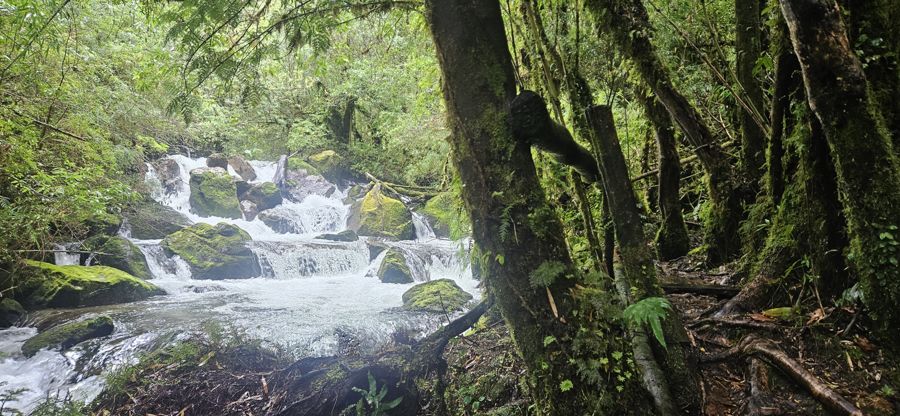
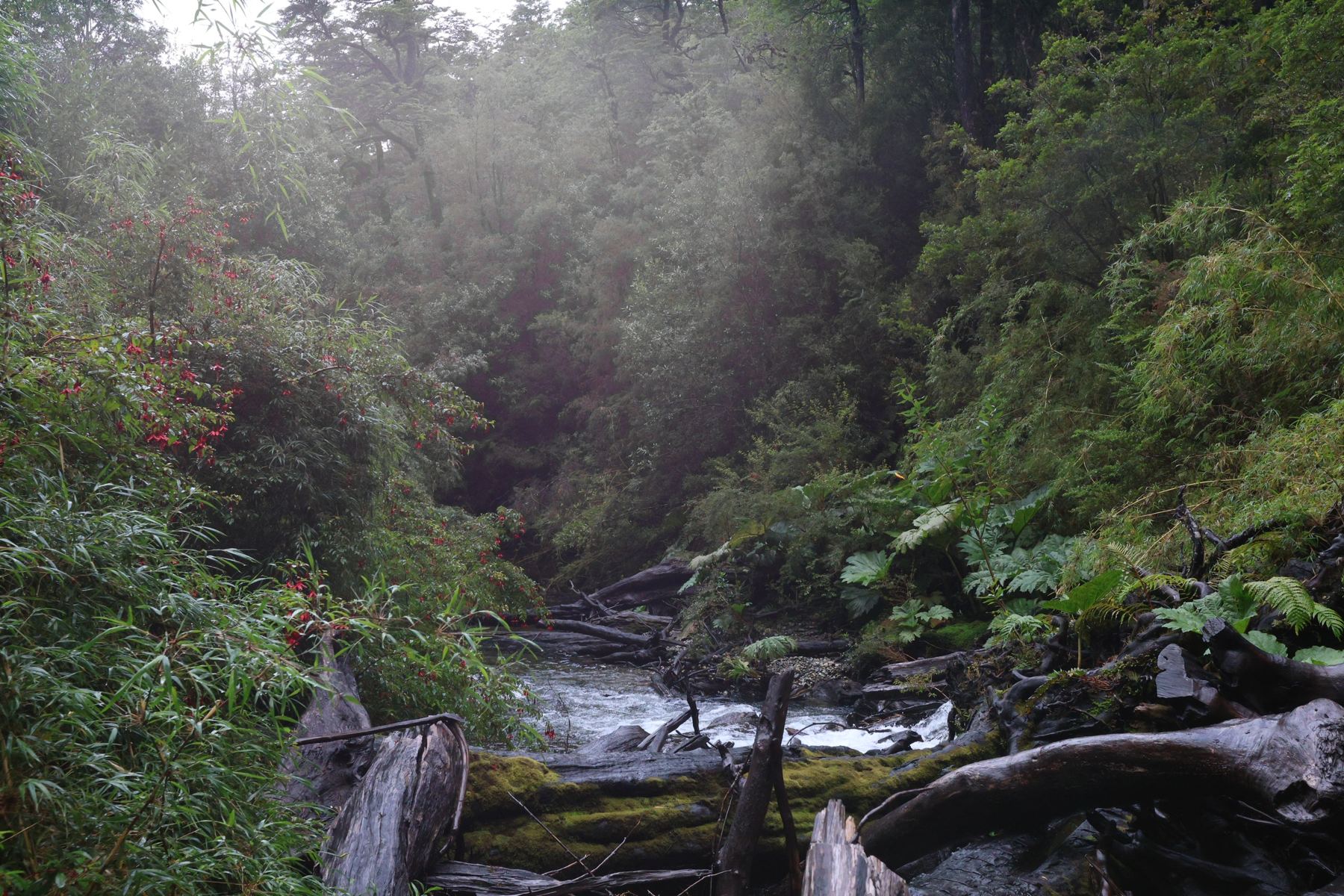
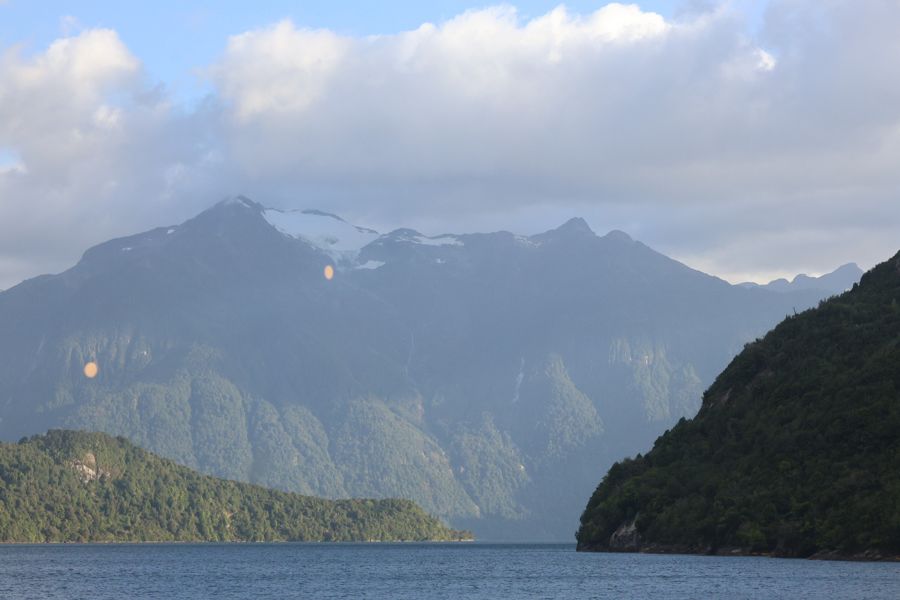
A sea fjord about 70 km long. Salt water, fresh water from rivers, rainforest on the shores and marine life above and below the surface.
29 species in the atlas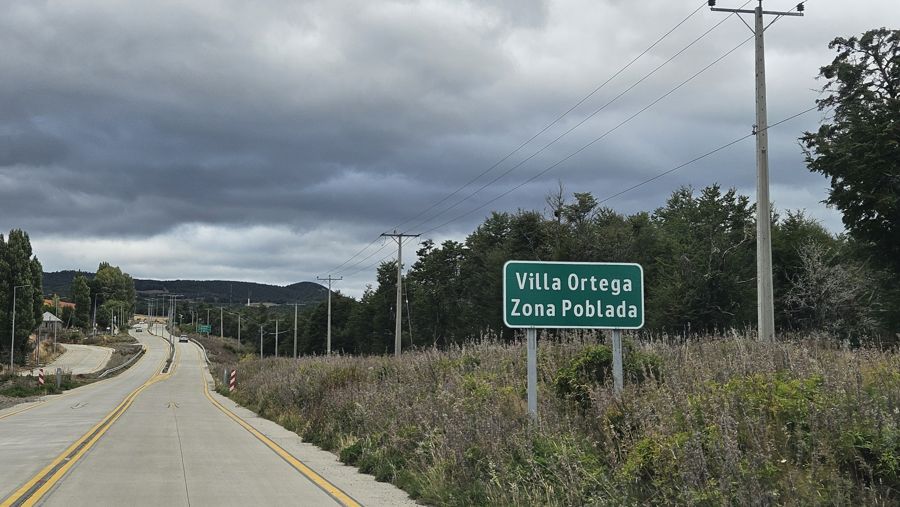
Mountains near Villa Ortega
Mountains and valleys about 20 km north of Coyhaique. This part of the atlas is in preparation.
in preparation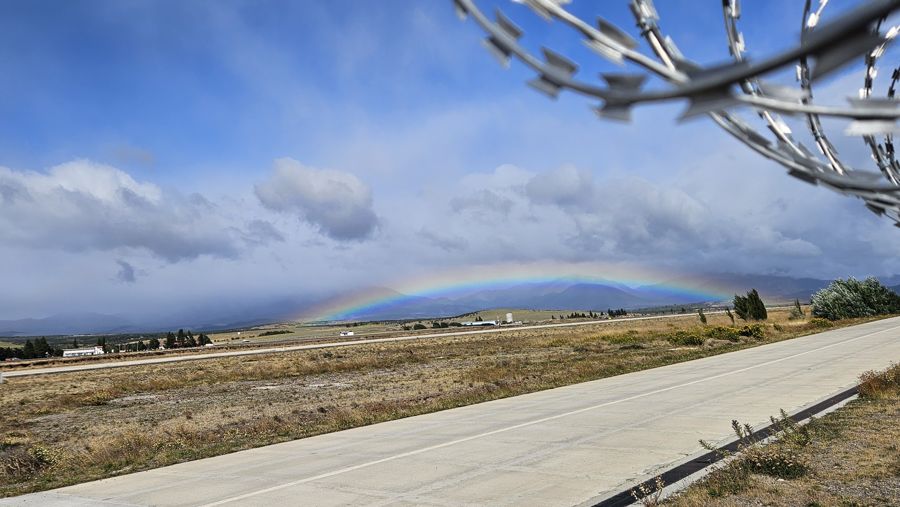
Pampa at Bahía Jara
Dry pampa on the southern shore of Lake General Carrera near Chile Chico. This part of the atlas is in preparation.
in preparationWho lives in the Aysén fjords
Dolphins, otters, sea lions, killer whales and seabirds. The atlas currently lists 17 marine species with documented records in the region.
A small resident population of Chilean dolphins, estimated at fewer than one hundred animals, lives in the Puyuhuapi Channel. They keep close to shore and river mouths, the same places where salmon farms operate.
29 verified species, and counting
Only species with a record in a scientific or official source go into the atlas.
A small dolphin that stays within a few hundred metres of the shore and near river mouths. The Puyuhuapi Channel holds a small resident population, estimated at fewer tha…
A South American otter. A large part of the population lives in marine fjords and channels south of 44° S, preferring river mouths and calm water. It avoids open coast wi…
A conifer up to 40 m tall, growing on wet and waterlogged soils in Aysén, Magallanes and on Chiloé. It is said to live around 800 years. Protected under Chile's native fo…
Listed in the field guide to the birds of the Patagonian archipelagos of the Aysén region. Full profile coming soon.
A forest that stays a forest
The land is protected by a Chilean legal instrument, the Derecho Real de Conservación (DRC), under Law No. 20.930. It is registered to the property, cannot be separated from it, and binds future owners too.